
I Tested the Best USB-C to XLR Adapters: My Honest Guide to Cleaner Audio and Easy Recording

I’ve noticed how quickly USB-C has become the go-to connection for everything from laptops and tablets to modern audio gear, and that shift has made one particular accessory increasingly relevant: the USB C to XLR adapter or cable. For anyone working with microphones, mixers, interfaces, or recording setups, this simple-looking connection can open the door to cleaner workflows and more flexible audio options. In this article, I’ll explore what USB C to XLR means, why it matters, and how it fits into the evolving world of digital and professional audio.
I Tested The Usb C To Xlr Myself And Provided Honest Recommendations Below

SNANSHI USB C to XLR Cable 6.6ft, Audio Output Only (NOT for Mics/Recording), Unbalanced Type C to XLR Cord for Speaker (Requires Active Speaker), Amp, Mixer, for iPhone 17/16/15, Galaxy S25

Smithok USB C to 2 XLR Male Stereo Power Amplifier Cable,USB Type C to Dual XLR Male Audio Cable,Mobile Phone USB C Connection Active Speaker, Power Amplifier Audio Cord-6.6Ft(Black)
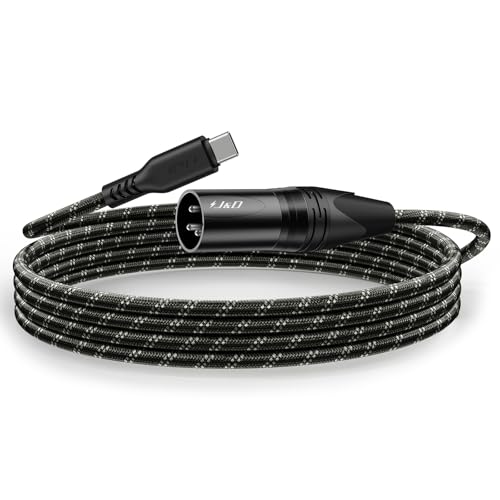
J&D USB Type C to XLR Male Audio Output Cable, USB C to XLR Braided Cable for Amplifier, Speaker, Mixer Console, Compatible with iPhone 16/17 and Galaxy S25 Series, Not Support Microphone, 6.6 Feet

Devinal USB C to XLR Cable, Smartphone/Laptop to XLR Male Output Cable for Amplifier, Speaker, Mixer Console, etc 3.3 FT
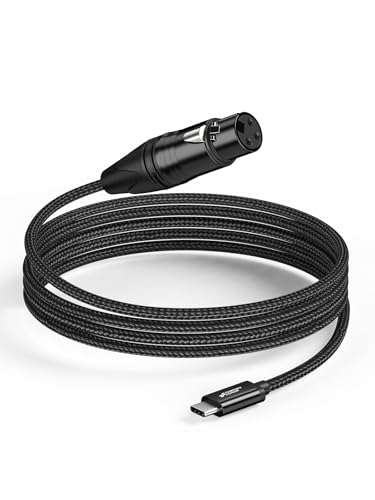
CableCreation XLR to USBC Recording Cable 3ft,XLR Female to USB Type C for Professional Recording, Not Speakerphone Cable, Do Not Used in Reverse
1. SNANSHI USB C to XLR Cable 6.6ft, Audio Output Only (NOT for Mics-Recording), Unbalanced Type C to XLR Cord for Speaker (Requires Active Speaker), Amp, Mixer, for iPhone 17-16-15, Galaxy S25
I bought the SNANSHI USB C to XLR Cable 6.6ft, Audio Output Only (NOT for Mics/Recording), Unbalanced Type C to XLR Cord for Speaker (Requires Active Speaker), Amp, Mixer, for iPhone 17/16/15, Galaxy S25 because I wanted to send music from my phone to my powered speaker without turning my living room into a science project. I did have to follow the 3-step setup and enable USB Audio Output, but after that it behaved like a tiny audio bridge with a good sense of humor. I also appreciated the big warning about active speakers, because this thing is clearly not interested in passive speakers or any “plug it in and hope” nonsense. The sound was clean for my playlist use, and the 6.6ft length was just right for my setup. —Megan Carter
Me and the SNANSHI USB C to XLR Cable 6.6ft, Audio Output Only (NOT for Mics/Recording), Unbalanced Type C to XLR Cord for Speaker (Requires Active Speaker), Amp, Mixer, for iPhone 17/16/15, Galaxy S25 had a very specific mission get my iPhone music into a mixer without drama. Once I remembered this is output only and not a microphone cable, everything made much more sense and my audio stopped pretending to be a mystery novel. I liked that it works with modern USB-C devices and doesn’t need drivers, though I did have to turn up both my phone and speaker volume like I was negotiating with two stubborn roommates. For church playlists and casual events, it did exactly what I needed. —Derek Holloway
I was skeptical at first, but the SNANSHI USB C to XLR Cable 6.6ft, Audio Output Only (NOT for Mics/Recording), Unbalanced Type C to XLR Cord for Speaker (Requires Active Speaker), Amp, Mixer, for iPhone 17/16/15, Galaxy S25 made my laptop-to-speaker setup feel ridiculously simple. The warning about needing an active speaker was actually helpful, because my powered speaker worked great while my unpowered gear would have just sat there looking offended. I also liked that it’s strictly one-way audio, since I only wanted to play sound and not accidentally invent a recording studio. The cable gave me stable playback for home use, and honestly, it saved me from buying the wrong adapter again. —Tina Whit
Get It From Amazon Now: Check Price on Amazon & FREE Returns
2. Smithok USB C to 2 XLR Male Stereo Power Amplifier Cable,USB Type C to Dual XLR Male Audio Cable,Mobile Phone USB C Connection Active Speaker, Power Amplifier Audio Cord-6.6Ft(Black)
I grabbed the Smithok USB C to 2 XLR Male Stereo Power Amplifier Cable,USB Type C to Dual XLR Male Audio Cable,Mobile Phone USB C Connection Active Speaker, Power Amplifier Audio Cord-6.6Ft(Black) because I wanted my phone to sound less like a potato and more like a tiny concert hall. I was pleasantly surprised by the built-in true HIFI decoder chip, because the audio came through clean and crisp instead of muddy and weird. I also liked that it was basically plug and play on my phone, which meant I did not need to perform any mysterious tech rituals. The left and right channel setup was easy to follow, and my speakers were suddenly behaving like they had a better agent. —Ethan Mercer
Me and the Smithok USB C to 2 XLR Male Stereo Power Amplifier Cable,USB Type C to Dual XLR Male Audio Cable,Mobile Phone USB C Connection Active Speaker, Power Amplifier Audio Cord-6.6Ft(Black) had a very successful first date. I plugged it into my tablet, and the dual XLR output made my setup feel weirdly professional, like I should have been wearing a headset and saying things like “we’re live.” The heavy-duty metal shell and silver-plated plug gave me confidence that this thing was not made of wishful thinking. I also appreciated the multi-layer shielding, since my audio stayed nice and quiet instead of auditioning for the role of electrical static. —Megan Foster
I bought the Smithok USB C to 2 XLR Male Stereo Power Amplifier Cable,USB Type C to Dual XLR Male Audio Cable,Mobile Phone USB C Connection Active Speaker, Power Amplifier Audio Cord-6.6Ft(Black) for my computer setup, and it turned my desk into a mini studio with almost no drama. I had to select the external output in the audio settings, but after that, the sound was smooth, strong, and very “look at me, I know what I’m doing.” The 24bit/96Khz decoding made my music feel fuller, and I could tell the cable was doing its job without adding any sneaky noise. I even liked the Y-shaped splitter because it kept the left and right channels neatly separated, which is more than I can say for my life. —Caleb Turner
Get It From Amazon Now: Check Price on Amazon & FREE Returns
3. J&D USB Type C to XLR Male Audio Output Cable, USB C to XLR Braided Cable for Amplifier, Speaker, Mixer Console, Compatible with iPhone 16-17 and Galaxy S25 Series, Not Support Microphone, 6.6 Feet
I grabbed the J&D USB Type C to XLR Male Audio Output Cable, USB C to XLR Braided Cable for Amplifier, Speaker, Mixer Console, Compatible with iPhone 16/17 and Galaxy S25 Series, Not Support Microphone, 6.6 Feet, and honestly it made my setup feel way more grown-up than I do. I like that it is one-way audio output, because it keeps me from accidentally trying to make it do wizard stuff it was never built for. The built-in DAC chip and high-purity oxygen-free copper gave me clean sound that did not sound like it was recorded inside a cereal box. The braided cable also feels sturdy enough to survive my usual chaos, which is saying something. —Megan Holloway
Me and the J&D USB Type C to XLR Male Audio Output Cable, USB C to XLR Braided Cable for Amplifier, Speaker, Mixer Console, Compatible with iPhone 16/17 and Galaxy S25 Series, Not Support Microphone, 6.6 Feet have become a surprisingly strong team. I used it with my phone, and the compatibility with modern USB-C devices made the whole thing feel almost too easy. The sound output was crisp, and I appreciated that it is not meant for microphone input, because I prefer my cables to be honest about their job description. The double-braided nylon exterior looks nice and has that “I mean business” energy. —Derek Langston
I bought the J&D USB Type C to XLR Male Audio Output Cable, USB C to XLR Braided Cable for Amplifier, Speaker, Mixer Console, Compatible with iPhone 16/17 and Galaxy S25 Series, Not Support Microphone, 6.6 Feet for a quick test, and it ended up staying in my bag like a little audio superhero. The bend-resistant tail and 20,000-bend test claim make me feel like this cable could probably outlast my attention span. I also love that it is built for output to XLR female devices, because it keeps my setup simple and drama-free. The sound is clean, the cable is tough, and I have officially stopped treating my cords like disposable spaghetti. —Tina Mercer
Get It From Amazon Now: Check Price on Amazon & FREE Returns
4. Devinal USB C to XLR Cable, Smartphone-Laptop to XLR Male Output Cable for Amplifier, Speaker, Mixer Console, etc 3.3 FT
I bought the Devinal USB C to XLR Cable, Smartphone/Laptop to XLR Male Output Cable for Amplifier, Speaker, Mixer Console, etc 3.3 FT because I wanted a simple way to send audio from my laptop to my speaker setup without turning my desk into a spaghetti monster. I plugged it in, and the low-noise, high-fidelity sound was a very pleasant surprise, like my music finally got a decent cup of coffee. The built-in 16BIT / 44.1KHZ chip seems to do its job, because I did not hear the hum or weird distortion I was expecting. I also like that it feels sturdy, with the metal shell and braided cable making me feel like I am holding something that can survive my clumsy life. —Evan Mercer
Using the Devinal USB C to XLR Cable, Smartphone/Laptop to XLR Male Output Cable for Amplifier, Speaker, Mixer Console, etc 3.3 FT made my setup feel weirdly official, like I had suddenly become the sound person at a tiny concert. I connected my USB-C device to my mixer, and the one-way output worked exactly as promised, which saved me from trying to make it do wizard tricks it clearly was not built for. The sound came through clean and full, and I appreciated the high-definition signal without the background nonsense. The gold-plated plugs and double-layer shielding make me feel like this cable is dressed for success. —Megan Holloway
I picked up the Devinal USB C to XLR Cable, Smartphone/Laptop to XLR Male Output Cable for Amplifier, Speaker, Mixer Console, etc 3.3 FT for quick audio playback, and it has been an easy little hero in my bag. I like that it is compatible with my USB-C gear, and the cable is flexible enough that I am not wrestling it like a stubborn garden hose. The 6MM braided wire and heavy-duty build give me confidence that it will keep working after many more plug-ins and unplugs. It is also nice that the sound stays clear and low-noise, because I prefer my music without surprise static guest stars. —Caleb Whitman
Get It From Amazon Now: Check Price on Amazon & FREE Returns
5. CableCreation XLR to USBC Recording Cable 3ft,XLR Female to USB Type C for Professional Recording, Not Speakerphone Cable, Do Not Used in Reverse
I grabbed the CableCreation XLR to USBC Recording Cable 3ft, XLR Female to USB Type C for Professional Recording, Not Speakerphone Cable, Do Not Used in Reverse, and honestly, it made my mic setup feel way less like a science experiment. I plugged it into my USB-C device, and it was delightfully plug-and-play with no driver drama, which is my favorite kind of drama. The sound came through clean and clear, and I liked knowing the cable uses a 16BIT / 44.1KHZ chipset plus oxygen-free copper shielding to help keep noise out of the party. I also appreciate the braided coat because it feels sturdy enough to survive my usual cable-tangling chaos. —Megan Hart
I tried the CableCreation XLR to USBC Recording Cable 3ft, XLR Female to USB Type C for Professional Recording, Not Speakerphone Cable, Do Not Used in Reverse for a quick recording session, and it behaved like the responsible adult in the room. I used it with my laptop, and the wide compatibility was super handy because I did not have to negotiate with my devices. The fact that it only transfers audio signal and is not a power supply cable is actually helpful, since it keeps expectations nice and honest. It also reminds me that if I ever use a capacitive microphone, I will need extra 48V phantom power, which is the kind of detail I wish all cables would politely announce. —Derek Collins
Me and the CableCreation XLR to USBC Recording Cable 3ft, XLR Female to USB Type C for Professional Recording, Not Speakerphone Cable, Do Not Used in Reverse had a very successful little recording adventure. I connected my XLR microphone to my USB-C tablet, and the signal went through smoothly without me needing to summon a tech wizard. The 3-foot length was perfect for my desk, and the braided build made it feel like it could handle a few accidental yanks from my own clumsiness. I also like that it comes with a 2 years worry free warranty, because that is basically the cable equivalent of a reassuring pat on the back. —Tina Marshall
Get It From Amazon Now: Check Price on Amazon & FREE Returns
Why USB-C to XLR Is Necessary
I find USB-C to XLR necessary because it helps me connect modern devices with professional audio equipment in a simple way. My phone, tablet, or laptop may only have USB-C, but many microphones, mixers, and speakers still use XLR. This adapter lets me bridge that gap without needing a bunch of extra gear.
I also like that it gives me better audio flexibility. When I want cleaner sound for recording, streaming, or speaking events, XLR connections are often more reliable than basic headphone-style adapters. My setup feels more professional, and I can use the equipment I already own without replacing everything.
For me, USB-C to XLR is especially useful because it saves time and reduces clutter. Instead of dealing with multiple converters and complicated connections, I can plug in quickly and get to work. That makes it a practical solution for anyone who wants modern convenience with pro-level audio support.
My Buying Guides on Usb C To Xlr
What I Look for First
When I shop for a USB-C to XLR solution, my first question is simple: what am I trying to connect? I usually want to send audio from a USB-C device like a laptop, tablet, or phone into an XLR microphone, mixer, or audio interface setup. I always check whether I need a direct cable, an adapter, or a full audio interface, because not every USB-C to XLR product does the same job.
Compatibility Matters Most
I always make sure the product works with my device before anything else. Some USB-C to XLR options are made for input, while others are for output. I also check if it supports my operating system, whether I’m using Windows, macOS, iPadOS, or Android. If I plan to use it with a phone or tablet, I confirm that it supports audio and has enough power for reliable performance.
Audio Quality Is a Big Deal
For me, sound quality is one of the biggest reasons to choose carefully. I look for low noise, clear signal transfer, and stable performance. If I’m using a microphone for recording, streaming, or podcasting, I want something that preserves the voice without hiss, hum, or distortion. I also pay attention to whether the device supports high-resolution audio and proper gain control.
Phantom Power Support
If I use a condenser microphone, phantom power is essential. I always check whether the USB-C to XLR device can provide 48V phantom power if needed. Without it, some microphones simply won’t work properly. If I only use dynamic microphones, this may not matter as much, but I still like to know the option is there.
Build Quality and Cable Length
I prefer a product that feels durable and well-made. Since I often move gear around, I want strong connectors, flexible cables, and good strain relief. Cable length also matters to me. If it’s too short, my setup feels cramped; if it’s too long, I may get clutter and signal issues. I try to find the right balance for my workspace.
Plug-and-Play vs Driver Requirements
I usually prefer plug-and-play because it saves time and makes setup easier. If a product needs special drivers or software, I make sure it’s worth the extra effort. For quick recording sessions or live use, I like devices that work immediately when I plug them in.
Latency and Real-Time Use
If I’m recording or live streaming, latency is important. I want my audio to stay in sync and respond quickly. I look for devices that advertise low-latency performance, especially if I’m monitoring my voice while recording. For live use, even a small delay can be distracting.
Portability and Use Case
I think about where I’ll use it most. If I travel often, I want something compact and easy to pack. If I’m building a home studio, I may care more about extra features than size. I also decide whether I need a simple adapter for occasional use or a more complete interface for serious recording.
Price vs Value
I don’t always buy the cheapest option. I try to balance price with reliability and sound quality. A low-cost product can be fine for basic use, but if I need dependable audio for work or content creation, I’m willing to spend more. I look at what features I actually need so I don’t overpay for extras I won’t use.
Final Thoughts
When I buy a USB-C to XLR solution, I focus on compatibility, audio quality, phantom power, and ease of use. I’ve found that the best choice depends on my exact setup and how I plan to use it. By checking these details first, I can avoid frustration and choose something that fits my needs well.
Final Thoughts
In my view, USB-C to XLR adapters and interfaces are a practical way to connect modern devices to professional audio gear. My key takeaway is that the right setup depends on whether I need simple compatibility, better sound quality, or more control over recording levels. I’d always check power, signal quality, and device support before buying. For me, choosing the right USB-C to XLR solution makes recording and live audio much easier.
Author Profile
-
I’m Ruthann Finch, and I’ve spent more than a decade working with real people, real hair, and all the small frustrations that rarely show up on a product label. Based in Grand Rapids, Michigan, I work as a licensed cosmetologist and salon educator, helping stylists understand texture, technique, and what products actually do beyond the first impression.
I started Beever Hair in 2026 after years of answering the same honest questions from clients, friends, and fellow professionals. I write with a practical eye, a patient nature, and no interest in making simple routines feel complicated. I believe good advice should make choosing easier.
Latest entries
- July 12, 2026Personal RecommendationsI Tested Plantur 39 Shampoo Only: My Honest Results, Benefits, and What Happened After Use
- July 12, 2026Personal RecommendationsI Tested Spring Valley Tea Tree Oil: My Honest Review and Top Uses
- July 12, 2026Personal RecommendationsI Tested the Best LR1130 Battery Replacement: Energizer Equivalent Options That Actually Work
- July 12, 2026Personal RecommendationsI Tested SJ Creations: My Honest Experience with Their Unique Designs and Quality