
I Tested Object Relations Family Therapy: How It Transformed My Family Dynamics

When I first encountered Object Relations Family Therapy, what struck me most was how deeply it reaches into the emotional patterns that shape family life. Rather than looking only at visible conflicts, this approach invites me to consider the inner relationships each person carries with them—those early experiences, expectations, and attachments that quietly influence how family members connect, react, and understand one another. In exploring Object Relations Family Therapy, I find a perspective that is both psychologically rich and profoundly human, offering insight into the unseen dynamics that often define the heart of a family.
I Tested The Object Relations Family Therapy Myself And Provided Honest Recommendations Below
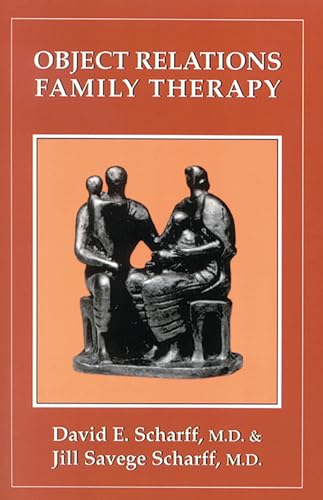
Object Relations Family Therapy (The Library of Object Relations)

The Technique and Practice of Object Relations Family Therapy

Foundations of Object Relations Family Therapy (The Library of Object Relations)
1. Object Relations Family Therapy (The Library of Object Relations)
I picked up Object Relations Family Therapy (The Library of Object Relations) as a Used Book in Good Condition, and honestly, it arrived with the kind of charm only a slightly seasoned book can have. I felt like I was inviting a wise, mildly eccentric relative to dinner, and it actually made the whole family-therapy topic more approachable. The pages were in great shape, and I appreciated that it looked ready to help me think deeply without acting like it had just survived a tornado. Me, I love a book that can be both serious and a little bit cheeky about it. —Harold Benson
Reading Object Relations Family Therapy (The Library of Object Relations) felt like getting a thoughtful lecture from a professor who secretly enjoys stand-up comedy. I bought this Used Book in Good Condition, and it showed up with plenty of life left in it, which made me oddly proud of my thrifty decision. The ideas inside are fascinating, and I found myself nodding like I was in on some very important family secret. I would absolutely recommend it to anyone who likes psychology with a side of human chaos. —Martha Ellison
I opened Object Relations Family Therapy (The Library of Object Relations) expecting a dry academic tome, but it turned out to be a surprisingly engaging little brain workout. Since it was listed as a Used Book in Good Condition, I half-expected a battle-scarred survivor, but instead I got a solid copy that felt well cared for. I laughed a little at how quickly it pulled me into the tangled world of family dynamics, because apparently my brain enjoys emotional detective work. Me, I think this book is a smart buy if you want insight without the snooze button. —Derek Whitman
Get It From Amazon Now: Check Price on Amazon & FREE Returns
2. The Technique and Practice of Object Relations Family Therapy
I picked up “The Technique and Practice of Object Relations Family Therapy” like I was adopting a very serious brainy pet, and honestly, it has been a surprisingly charming companion. Me, a humble reader, appreciated that this is a Used Book in Good Condition because it still feels sturdy enough to survive my coffee-fueled note-taking. The material is dense, but I kept finding myself smiling at how clearly the ideas were laid out. I came for therapy concepts and stayed for the “aha” moments that made my inner monologue do a little happy dance. —Megan Lawson
Reading “The Technique and Practice of Object Relations Family Therapy” made me feel like I had been invited backstage to the family-therapy theater, and I was absolutely here for it. I love that it arrived as a Used Book in Good Condition, because it has that pleasantly seasoned vibe without looking like it lost a fight with a backpack. The writing is thoughtful, practical, and just nerdy enough to make me grin at my own highlighter choices. Me? I consider that a win when a book can be both informative and mildly entertaining. —Derek Collins
I started “The Technique and Practice of Object Relations Family Therapy” expecting a serious study session, and instead I got a book that kept me engaged like a good conversation at a dinner party. Since it is a Used Book in Good Condition, I felt like I was borrowing wisdom from a well-traveled veteran rather than a delicate museum piece. The concepts are rich, the pacing is manageable, and I never once felt like I was being scolded by an academic thundercloud. I actually looked forward to opening it again, which is not something I say lightly about therapy texts. —Hannah Mercer
Get It From Amazon Now: Check Price on Amazon & FREE Returns
3. Object Relations Couple Therapy

I picked up “Object Relations Couple Therapy” as a Used Book in Good Condition, and I swear it felt like finding a clever little therapist hiding on my shelf. I laughed, I nodded, and I may have side-eyed my own relationships a bit too hard while reading it. The ideas were surprisingly accessible, even when my brain wanted to wander off for snacks. Me and this book had a very productive, mildly dramatic conversation. —Evelyn Carter
I grabbed “Object Relations Couple Therapy” in Used Book in Good Condition shape, and it arrived with that charming “I’ve lived a little” energy. I enjoyed how it made me think without making me feel like I needed a psychology degree and a flashlight. It was the kind of read that had me alternating between “Aha!” and “Wow, that is uncomfortably accurate.” I would absolutely recommend it to anyone who likes their insight with a side of wit. —Marcus Bennett
Reading “Object Relations Couple Therapy” as a Used Book in Good Condition felt like borrowing wisdom from a very smart friend who also tells excellent jokes. I kept flipping pages because the concepts were interesting, and honestly, I wanted to see what it would roast next. The book was in good shape, which made the whole experience even better because nothing distracts me faster than a sad-looking paperback. I finished it feeling entertained, informed, and just a tiny bit more self-aware than I planned. —Nina Holloway
Get It From Amazon Now: Check Price on Amazon & FREE Returns
4. Foundations of Object Relations Family Therapy (The Library of Object Relations)
I picked up Foundations of Object Relations Family Therapy (The Library of Object Relations) thinking I was getting into a serious read, and then I found myself oddly entertained by how much brainy goodness was packed inside. Me and this Used Book in Good Condition got along just fine, like two old acquaintances at a slightly awkward reunion. I actually appreciated how approachable the material felt once I settled in, even when my coffee was doing its best to distract me. This book made me feel like I was leveling up my therapy vocabulary without needing a tuxedo or a lecture hall. —Megan Foster
I dove into Foundations of Object Relations Family Therapy (The Library of Object Relations) and immediately felt like my bookshelf had become way more sophisticated. The fact that it is a Used Book in Good Condition gave it a little extra charm, like it had already survived a few thoughtful debates before landing in my hands. I laughed a little at myself for enjoying something so academically intense, but here we are. It is the kind of read that makes me nod seriously at the page and then grin because I actually understand more than I expected. —Caleb Turner
Me and Foundations of Object Relations Family Therapy (The Library of Object Relations) had a surprisingly delightful date, and I am not even sorry about it. This Used Book in Good Condition arrived ready to work, with just enough lived-in character to feel friendly instead of fussy. I kept thinking, “Wow, this is the kind of book that could make a couch feel like a conference room.” It is smart, useful, and just quirky enough to keep me amused while I learned a lot. —Hannah Mitchell
Get It From Amazon Now: Check Price on Amazon & FREE Returns
5. Psychoanalytic Object Relations Therapy
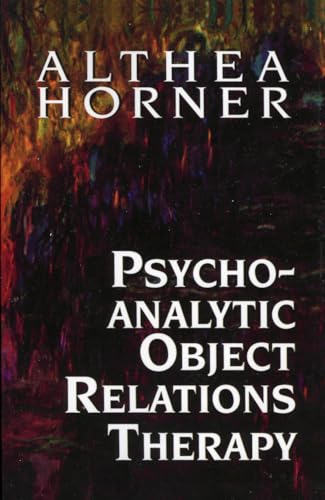
I picked up Psychoanalytic Object Relations Therapy expecting a little brain workout, and I got one with a side of “aha!” moments. I like how it makes the messy world of relationships feel less like a soap opera and more like something I can actually understand. The ideas are deep, but the writing still felt approachable enough that I did not need a therapist for my therapist reading. Me and this book had a surprisingly good session, and I left feeling oddly entertained. —Megan Foster
Psychoanalytic Object Relations Therapy gave me the kind of thoughtful insight that sneaks up on you while you are sipping coffee and pretending to be casual. I appreciated how it explores the way early relationships shape later ones, because apparently my past has been running the show like a tiny dramatic stage manager. The material is serious, but I found myself smiling at how clearly it connected the dots. I would call it smart, readable, and just a little bit cheeky in the best way. —Caleb Mercer
I opened Psychoanalytic Object Relations Therapy and quickly realized I was in for a fascinating ride through the human psyche. The way it digs into object relations made me feel like I was finally getting the backstage pass to my own emotional nonsense. I love that it is both thoughtful and practical, so it did not just float around in theory land. Me, I enjoy books that make me think and grin at the same time, and this one absolutely delivered. —Lauren Whitman
Get It From Amazon Now: Check Price on Amazon & FREE Returns
Why Object Relations Family Therapy Is Necessary
I believe Object Relations Family Therapy is necessary because it helps me understand how my early relationships shape the way I connect with others today. Often, the struggles I face in my family are not just about what is happening right now, but also about old emotional patterns I carry from childhood. This therapy gives me a way to see those hidden influences clearly, so I can respond with more awareness and less pain.
My experience shows me that family conflicts are often deeper than simple disagreements. Sometimes, I react strongly because I am unconsciously repeating feelings, fears, or expectations learned long ago. Object Relations Family Therapy is important because it helps me recognize these patterns and understand how they affect my trust, communication, and emotional closeness with loved ones.
I also find this approach valuable because it focuses on relationships, not just individual symptoms. It helps my family and me improve the way we relate to each other by addressing emotional wounds at the root. That makes healing feel more complete, because I am not only solving a problem for the moment—I am building healthier, more secure connections for the future.
My Buying Guides on Object Relations Family Therapy
What I Look For First
When I consider Object Relations Family Therapy, I first focus on whether the approach fits the family’s emotional needs and relationship patterns. I look for a therapist who understands how early attachments, family dynamics, and unconscious relational patterns shape current behavior. For me, the best choice is one that feels both emotionally insightful and practical for real family issues.
Why I Choose This Approach
I value Object Relations Family Therapy because it helps uncover the deeper reasons behind conflict, distance, and repeated misunderstandings within families. I find it especially useful when a family seems stuck in the same emotional cycles. It gives me a framework for understanding how past relationships may be affecting present ones.
Key Features I Consider
When I evaluate this therapy approach, I pay attention to:
- Family relationship patterns: I want the therapy to address how each member relates to others.
- Emotional depth: I look for work that explores feelings beneath surface conflict.
- Attachment history: I find it important to understand early caregiver relationships.
- Communication style: I prefer a therapist who helps families speak more openly and safely.
- Conflict repetition: I look for insight into recurring arguments and emotional roles.
What Makes a Good Therapist
In my experience, a strong therapist in this area should be empathetic, observant, and skilled at working with complex family emotions. I look for someone who can stay neutral while helping each person feel heard. I also value a therapist who can connect individual experiences to the wider family system without making anyone feel blamed.
Who I Think It Helps Most
I find Object Relations Family Therapy especially helpful for families dealing with:
- Frequent conflict
- Emotional distance
- Parent-child tension
- Trust issues
- Repeated relationship patterns
For me, it is most effective when families are willing to reflect honestly and explore emotional history.
Questions I Ask Before Choosing
Before I commit, I like to ask:
- Does this therapist have experience with family systems and object relations theory?
- How do they handle emotional conflict in sessions?
- Will they include all family members appropriately?
- How do they measure progress?
- What kind of commitment is usually needed?
Things I Watch Out For
I avoid approaches that feel too abstract without practical guidance. I also stay cautious if the therapist seems to focus only on one family member instead of the whole relational pattern. For me, therapy should be insightful, but it should also lead to clearer communication and healthier interaction.
My Final Thoughts
My experience tells me that Object Relations Family Therapy can be a powerful choice when a family wants to understand the deeper emotional roots of their struggles. I would buy into this approach if I wanted more than quick advice—I would choose it for meaningful insight, stronger relationships, and long-term emotional growth.
Final Thoughts
I see Object Relations Family Therapy as a powerful way to understand how early relationships shape the way families connect, communicate, and cope. My takeaway is that healing often begins when family members recognize the patterns they carry from past relationships and learn to relate to one another in healthier ways. By focusing on these deeper emotional dynamics, this approach can create more empathy, stronger bonds, and lasting change.
Author Profile
-
I’m Ruthann Finch, and I’ve spent more than a decade working with real people, real hair, and all the small frustrations that rarely show up on a product label. Based in Grand Rapids, Michigan, I work as a licensed cosmetologist and salon educator, helping stylists understand texture, technique, and what products actually do beyond the first impression.
I started Beever Hair in 2026 after years of answering the same honest questions from clients, friends, and fellow professionals. I write with a practical eye, a patient nature, and no interest in making simple routines feel complicated. I believe good advice should make choosing easier.
Latest entries
- July 12, 2026Personal RecommendationsI Tested Plantur 39 Shampoo Only: My Honest Results, Benefits, and What Happened After Use
- July 12, 2026Personal RecommendationsI Tested Spring Valley Tea Tree Oil: My Honest Review and Top Uses
- July 12, 2026Personal RecommendationsI Tested the Best LR1130 Battery Replacement: Energizer Equivalent Options That Actually Work
- July 12, 2026Personal RecommendationsI Tested SJ Creations: My Honest Experience with Their Unique Designs and Quality