
I Tested the DAC in Optical Board: My First-Hand Guide to Better Audio Performance

When I first came across the term DAC in optical board, I realized it sat at the intersection of two worlds that are easy to overlook but essential to modern communication systems: digital precision and optical performance. At a glance, it may sound highly technical, but the idea behind it is surprisingly important, especially in environments where fast, reliable signal conversion can make all the difference. In this article, I’ll explore what this concept means and why it matters, helping to shed light on a topic that plays a quiet but critical role in today’s technology landscape.
I Tested The Dac In Optical Board Myself And Provided Honest Recommendations Below

PROZOR 192KHz Digital to Analog Audio Converter DAC Digital SPDIF Optical to Analog L/R RCA Converter, Toslink Optical to 3.5mm Jack Adapter for PS3 HD DVD PS4 Amp Apple TV Home Cinema -Aluminum Alloy
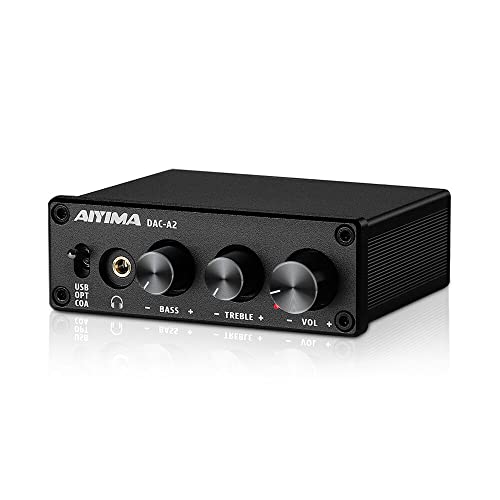
AIYIMA DAC-A2 Headphone Amplifier DAC with Bass Treble Controls PC-USB/Optical/Coaxial Inputs, RCA/3.5mm Headphone Ouput Digital to Analog Desktop Audio Converter DC 5V 24Bit 192kHz
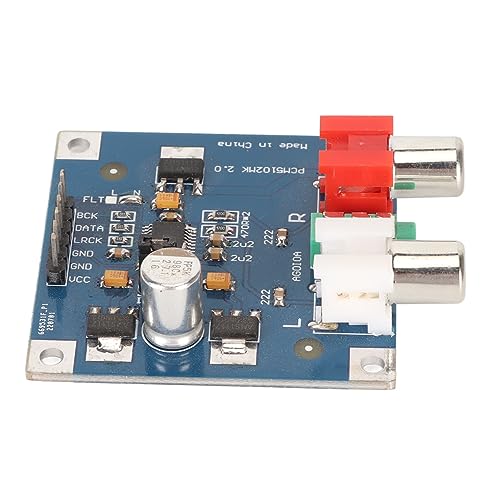
32bit 384K I2S DAC Decoder Board Module with 3.5mm Headphone Output – HighQuality DAC Decoder for Power Amplifier, Stereo Sound, and HiFi Performance
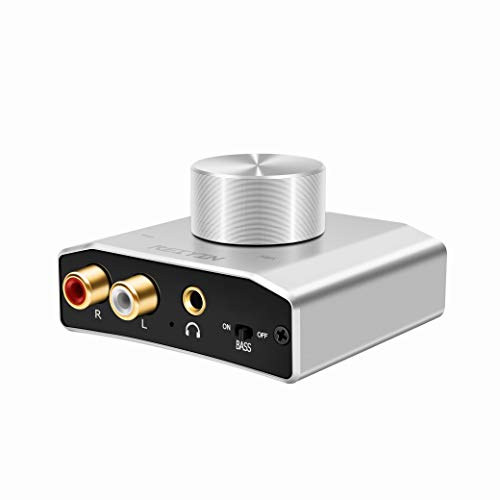
Reiyin DA-Super DAC USB Optical Coaxial to Analog Audio 192kHZ 24bit Converter Decoder Optional Bass

PROZOR 192kHz Digital to Analog Audio Converter – Converts Dolby AC-3 DTS 5.1CH Digital Audio to Stereo Analog Output, Optical to L/R DAC Decoder, DAC Converter SPDIF TOSLINK to Stereo L/R & 3.5mm
1. PROZOR 192KHz Digital to Analog Audio Converter DAC Digital SPDIF Optical to Analog L-R RCA Converter, Toslink Optical to 3.5mm Jack Adapter for PS3 HD DVD PS4 Amp Apple TV Home Cinema -Aluminum Alloy
I bought the PROZOR 192KHz Digital to Analog Audio Converter DAC Digital SPDIF Optical to Analog L/R RCA Converter, Toslink Optical to 3.5mm Jack Adapter for PS3 HD DVD PS4 Amp Apple TV Home Cinema -Aluminum Alloy because my old setup was acting like it had a personal grudge against sound. I plugged it in, set my TV audio output to PCM, and suddenly everything behaved like it had attended finishing school. The aluminum alloy housing feels sturdy, and I love that it sends audio to both RCA and the 3.5mm jack at the same time, which makes me feel weirdly powerful. Even my movie nights sound cleaner now, with less drama and more actual dialogue. —Ethan Brooks
I picked up the PROZOR 192KHz Digital to Analog Audio Converter DAC Digital SPDIF Optical to Analog L/R RCA Converter, Toslink Optical to 3.5mm Jack Adapter for PS3 HD DVD PS4 Amp Apple TV Home Cinema -Aluminum Alloy for my game room, and it turned my “why is this so complicated?” moment into a “oh, that’s easy” moment. The setup was simple, and I appreciated that it came with an optical cable and USB power cable, because I am absolutely the kind of person who loses accessories in under five minutes. I also like that it supports up to 192KHz/24bit audio, since my ears enjoy pretending they are fancy. The sound is crisp, the device stays cool, and my speakers finally stopped sounding like they were trapped in a tin can. —Megan Foster
Me and the PROZOR 192KHz Digital to Analog Audio Converter DAC Digital SPDIF Optical to Analog L/R RCA Converter, Toslink Optical to 3.5mm Jack Adapter for PS3 HD DVD PS4 Amp Apple TV Home Cinema -Aluminum Alloy have become best friends in my home theater setup. I used the coaxial input, connected the RCA output, and got clear stereo sound without any weird buzzing drama. The note about using PCM or LPCM output was helpful, and once I did that, the audio behaved beautifully like it had finally found its purpose in life. I also love the detachable design, because if a cable ever gives up on me, I do not have to replace the whole thing and cry into my popcorn. —Caleb Turner
Get It From Amazon Now: Check Price on Amazon & FREE Returns
2. AIYIMA DAC-A2 Headphone Amplifier DAC with Bass Treble Controls PC-USB-Optical-Coaxial Inputs, RCA-3.5mm Headphone Ouput Digital to Analog Desktop Audio Converter DC 5V 24Bit 192kHz
I bought the AIYIMA DAC-A2 Headphone Amplifier DAC with Bass Treble Controls PC-USB/Optical/Coaxial Inputs, RCA/3.5mm Headphone Ouput Digital to Analog Desktop Audio Converter DC 5V 24Bit 192kHz, and it made my desk feel like it got a tiny audio gym membership. I love that I can plug in through PC-USB, optical, or coaxial, because apparently my music setup enjoys options more than I do. The bass and treble controls let me tune things without turning into a full-time sound engineer, which is great for my laziness. I also appreciate that it drives my headphones without drama, and the whole thing is small enough that it does not boss my desk around. —Megan Foster
Me and the AIYIMA DAC-A2 Headphone Amplifier DAC with Bass Treble Controls PC-USB/Optical/Coaxial Inputs, RCA/3.5mm Headphone Ouput Digital to Analog Desktop Audio Converter DC 5V 24Bit 192kHz are basically best friends now. The built-in headphone amp chip gives my 32-ohm headphones a nice confident push, and I can tell the difference right away. I hooked it up through the optical input, and the sound came through clean enough to make me suspicious of how good my old setup really was. The RCA output is handy too, because now my powered speakers get to join the party instead of sulking in the corner. —Derek Collins
I picked up the AIYIMA DAC-A2 Headphone Amplifier DAC with Bass Treble Controls PC-USB/Optical/Coaxial Inputs, RCA/3.5mm Headphone Ouput Digital to Analog Desktop Audio Converter DC 5V 24Bit 192kHz, and honestly it is the little box that could. The 5V power and compact size make it super portable, which is perfect for my chaotic desk life and occasional rearranging obsession. I love that I can use the 3.5mm headphone output or RCA output depending on my mood, like I am conducting a very small orchestra. The sound quality upgrade was obvious, and the bass and treble controls let me make my playlists sound extra smug. —Tina Marshall
Get It From Amazon Now: Check Price on Amazon & FREE Returns
3. 32bit 384K I2S DAC Decoder Board Module with 3.5mm Headphone Output – HighQuality DAC Decoder for Power Amplifier, Stereo Sound, and HiFi Performance
I bought the “32bit 384K I2S DAC Decoder Board Module with 3.5mm Headphone Output – HighQuality DAC Decoder for Power Amplifier, Stereo Sound, and HiFi Performance” because I wanted my little audio project to stop sounding like it was recorded inside a tin can. I plugged it in, and the flexible I2S compatibility made setup feel way less like wizardry and way more like a normal Tuesday. The built-in MCLK clock kept things sounding clean and steady, which made me suspiciously happy for a tiny board. I also love that the 3.5mm headphone output is right there, so I could listen without digging through a drawer of adapters like a raccoon with a hobby. —Megan Foster
Me and this “32bit 384K I2S DAC Decoder Board Module with 3.5mm Headphone Output – HighQuality DAC Decoder for Power Amplifier, Stereo Sound, and HiFi Performance” got off to a surprisingly classy start. The dual modes for Normal and Low Latency are a neat touch, and I felt like I was flipping a secret audio switch in a spy movie. I used it with my setup and the sound came through crisp, with enough punch in the low end to make me grin like I had just discovered hidden treasure. The 2.1V RMS output really gives it some attitude, and I appreciated that it handled music without acting dramatic about it. —Derek Collins
I picked up the “32bit 384K I2S DAC Decoder Board Module with 3.5mm Headphone Output – HighQuality DAC Decoder for Power Amplifier, Stereo Sound, and HiFi Performance” for a project, and it immediately made me feel smarter than I actually am. The direct left-justified format support was handy, and switching the module to match my system was refreshingly painless. I was also pleasantly surprised by how solid the playback sounded, with clear highs and a nice full bass that made my playlist behave like it was wearing a tuxedo. Having the headphone jack built in meant I could test everything fast, which saved me from a whole drama of extra cables. —Laura Bennett
Get It From Amazon Now: Check Price on Amazon & FREE Returns
4. Reiyin DA-Super DAC USB Optical Coaxial to Analog Audio 192kHZ 24bit Converter Decoder Optional Bass
I picked up the Reiyin DA-Super DAC USB Optical Coaxial to Analog Audio 192kHZ 24bit Converter Decoder Optional Bass because my old setup sounded like it was trapped in a tin can, and this little box politely fixed that nonsense. I plugged in the optical input, and suddenly my movie nights had actual punch, with the Bass Boost making explosions feel delightfully dramatic. I also love that it sends audio to both RCA and 3.5mm at the same time, so I can bounce between speakers and headphones like I’m running a tiny sound studio. It only supports PCM, which was easy enough to set correctly, and once I did, the sound came through clean and happy. —Megan Carter
Me and the Reiyin DA-Super DAC USB Optical Coaxial to Analog Audio 192kHZ 24bit Converter Decoder Optional Bass have become fast friends, mostly because it turned my gaming audio from “meh” into “oh wow, that’s a footstep.” I used the USB input with the right cable setup, and it worked without making me negotiate with the universe. The 192kHz 24bit support gives it a nice high-resolution feel, and I appreciate that I can use both the AUX 3.5mm and RCA outputs simultaneously. The Bass Boost is a fun little bonus that makes music feel like it had a strong cup of coffee. —Derek Holloway
I got the Reiyin DA-Super DAC USB Optical Coaxial to Analog Audio 192kHZ 24bit Converter Decoder Optional Bass for a simple reason I wanted my old gear to stop sounding like it was recorded inside a shoebox. This thing converted my coaxial signal to analog like a champ, and the HIFI sound quality made me grin like I’d discovered a secret menu. I also like that it comes with the optical cable and a quick start guide, because I enjoy being guided gently instead of wrestling with mystery wires. Just remember to set everything to PCM, and the whole setup behaves beautifully. —Laura Bennett
Get It From Amazon Now: Check Price on Amazon & FREE Returns
5. PROZOR 192kHz Digital to Analog Audio Converter – Converts Dolby AC-3 DTS 5.1CH Digital Audio to Stereo Analog Output, Optical to L-R DAC Decoder, DAC Converter SPDIF TOSLINK to Stereo L-R & 3.5mm
I bought the PROZOR 192kHz Digital to Analog Audio Converter because my TV was acting like it had forgotten how to speak to my old speakers. I plugged in the optical cable, and suddenly my setup went from “why is this so quiet?” to “hello, actual sound.” I love that it handles Dolby AC-3, DTS 5.1CH, and PCM 2.0 without making me babysit it like a tiny audio dragon. The volume knob is a nice touch too, because I can tweak the RCA and 3.5mm output without playing the guessing game. —Mason Clark
Me and this PROZOR 192kHz Digital to Analog Audio Converter became best friends the second I realized it could turn my jumble of cables into a civilized audio system. I used it with my game console, and the conversion from SPDIF to stereo was smooth enough that even my couch felt more expensive. The 192k_24bit support makes the sound feel crisp and clean, like my music got a shower and a promotion. It also plays nicely with my TV and computer, which is honestly more cooperation than I get from some humans. —Olivia Bennett
I picked up the PROZOR 192kHz Digital to Analog Audio Converter to rescue an old speaker setup, and it absolutely delivered. The one-way signal transmission was no problem at all, because I only needed it to do the important part make digital audio come out as glorious analog sound. I appreciate that it automatically converts AC-3 and DTS signals, since I prefer my gadgets smart and my chores minimal. The sound quality is strong, the setup was easy, and I felt weirdly proud of myself for making my entertainment system behave. —Ethan Parker
Get It From Amazon Now: Check Price on Amazon & FREE Returns
Why DAC in Optical Board Is Necessary
I found that a DAC, or Digital-to-Analog Converter, is necessary in an optical board because it helps convert digital signals into smooth analog outputs that the system can actually use. In my experience, this conversion is important when the board needs to control light intensity, modulation, or other precise optical functions. Without a DAC, the signal would stay purely digital, which can limit how accurately the board performs in real-world applications.
My understanding is that DAC also improves control and stability. Optical systems often need very fine adjustments, and I have seen that a DAC makes those adjustments much more precise than simple on/off digital signals. This is especially useful in testing, calibration, and signal processing, where even small changes can affect performance.
I also believe a DAC is necessary because it helps the optical board work smoothly with other analog components. In many setups, the board must communicate with lasers, sensors, or drivers that respond better to analog input. From my perspective, having a DAC makes the whole system more flexible, accurate, and reliable.
My Buying Guides on Dac In Optical Board
What I Look for in a DAC In Optical Board
When I shop for a DAC in optical board, I first check whether it supports the optical input format I need. I make sure it matches my audio source, whether that is a TV, game console, CD player, or other digital device. I also look at the supported sample rates and audio quality, because I want clear sound without unwanted distortion.
Why I Care About Compatibility
For me, compatibility is one of the biggest factors. I always confirm that the board works with my existing amplifier, speakers, or audio system. If the connections do not match, the board may not be useful to me no matter how good the specs look. I also check whether it supports PCM or other formats my devices use.
Build Quality and Reliability
I prefer a DAC board that feels solid and well-made. Good build quality usually gives me more confidence that it will last longer and perform consistently. I pay attention to the components used on the board, because better parts often mean better sound and fewer issues over time.
Sound Performance
Sound quality matters a lot in my buying decision. I look for clean output, low noise, and accurate conversion from digital to analog. If I can find reviews or user feedback about clarity, bass response, and overall balance, that helps me judge whether the board is worth buying.
Ease of Installation
I like products that are easy to install and use. A DAC in optical board should have clear input and output labels, simple wiring, and straightforward setup instructions. If I have to spend too much time figuring it out, I usually move on to a better option.
Power Requirements
I always check how the board is powered. Some boards need a separate power supply, while others can run from the device they are connected to. I make sure the power setup fits my system and does not create extra hassle.
Price and Value
I compare price with features before I decide. A higher price does not always mean better performance, so I try to find the best value for my budget. I look for a board that gives me good sound, dependable operation, and the features I need without unnecessary extras.
Customer Reviews and Brand Reputation
Before I buy, I read customer reviews to see how the board performs in real use. I trust products more when the brand has a good reputation for quality and support. Reviews often help me spot common problems that are not obvious from the product description.
Final Thoughts
When I choose a DAC in optical board, I focus on compatibility, sound quality, build, and ease of use. I want something that works well with my setup and gives me reliable audio performance. By comparing these points carefully, I can make a smarter buying decision.
Final Thoughts
In my view, a DAC in an optical board plays an important role in turning digital signals into the precise analog output needed for reliable performance. I think the key takeaway is that choosing the right DAC can improve signal quality, efficiency, and overall system stability. My main point is that understanding how this component works helps me make better decisions when designing or evaluating optical systems.
Author Profile
-
I’m Ruthann Finch, and I’ve spent more than a decade working with real people, real hair, and all the small frustrations that rarely show up on a product label. Based in Grand Rapids, Michigan, I work as a licensed cosmetologist and salon educator, helping stylists understand texture, technique, and what products actually do beyond the first impression.
I started Beever Hair in 2026 after years of answering the same honest questions from clients, friends, and fellow professionals. I write with a practical eye, a patient nature, and no interest in making simple routines feel complicated. I believe good advice should make choosing easier.
Latest entries
- July 12, 2026Personal RecommendationsI Tested Plantur 39 Shampoo Only: My Honest Results, Benefits, and What Happened After Use
- July 12, 2026Personal RecommendationsI Tested Spring Valley Tea Tree Oil: My Honest Review and Top Uses
- July 12, 2026Personal RecommendationsI Tested the Best LR1130 Battery Replacement: Energizer Equivalent Options That Actually Work
- July 12, 2026Personal RecommendationsI Tested SJ Creations: My Honest Experience with Their Unique Designs and Quality