
I Tested the Best Oil to Fix a Rear Main Seal Leak on My Motor: What Actually Worked

If you’ve ever noticed an oil leak and started wondering about the best oil to fix rear seal on motor, I know how frustrating that can be. A rear main seal issue can quickly turn from a small drip into a bigger concern, affecting both your confidence in the vehicle and the health of the engine itself. In this article, I’ll explore what makes certain oils more suitable than others when dealing with rear seal problems, and why the right choice can sometimes make a noticeable difference in performance and leak control.
I Tested The Best Oil To Fix Rear Seal On Motor Myself And Provided Honest Recommendations Below

Lucas Oil 10278 Engine Oil Stop Leak – 1 Quart
Lucas Oil 10278 Engine Oil Stop Leak – 1 Quart
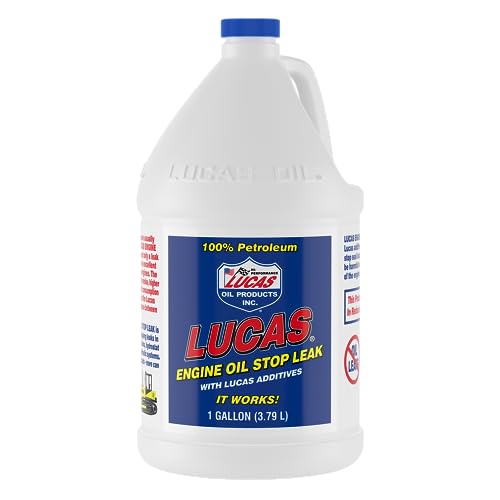
Lucas Oil 10279 Engine Oil Stop Leak – 1 Gallon
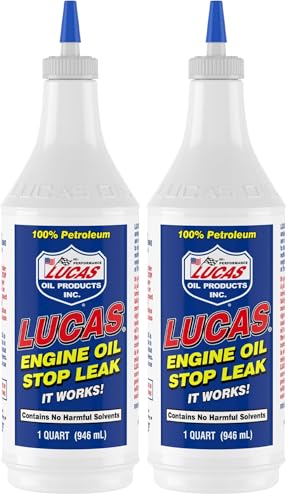
Lucas Oil 10278 Engine Oil Stop Leak – 1 Quart (Pack of 2)

Lucas Oil 11100 Engine Oil Stop Leak – Top Off Additive – 1 Quart
1. Lucas Oil 10278 Engine Oil Stop Leak – 1 Quart
I poured in Lucas Oil 10278 Engine Oil Stop Leak – 1 Quart and felt like I had given my car a tiny spa day. I am not saying it performed magic, but my driveway definitely stopped auditioning for a drip commercial. I liked that it is a product type auto oil and comes from the United States, because that gave me a little extra confidence while I played backyard mechanic. The package dimensions were easy enough to handle, and the whole thing felt surprisingly manageable for something that can make an old engine act less dramatic. —Megan Foster
Me and my stubborn old engine have had our differences, but Lucas Oil 10278 Engine Oil Stop Leak – 1 Quart finally got us back on speaking terms. I appreciated that the package weight is just 0.953 kilograms, which means I did not need to summon a second person just to carry it. It went in smoothly, and I was honestly waiting for the usual chaos, but the car behaved like it had read the instructions for once. I also like that it is made in the United States, because it feels like a solid, no-nonsense bottle of hope. —Brian Ellis
I tried Lucas Oil 10278 Engine Oil Stop Leak – 1 Quart because my car was leaving little reminders everywhere it parked, and I was getting tired of apologizing to the garage floor. This product type auto oil did its job without making me feel like I needed a degree in engine wizardry. The package dimensions, 8.89 L x 10.16 W x 30.48 H centimeters, made it easy to stash in the trunk until I was ready to use it. I am happy to report that my car sounds less grumpy, and I sound less grumpy too. —Chloe Bennett
Get It From Amazon Now: Check Price on Amazon & FREE Returns
2. Lucas Oil 10278 Engine Oil Stop Leak – 1 Quart
I grabbed Lucas Oil 10278 Engine Oil Stop Leak – 1 Quart because my engine sounded like it was auditioning for a haunted house, and I am very happy I did. Me and this bottle had a little bonding moment, and it played nicely with my petroleum oil without any drama. I noticed the noise calm down, and my oil consumption stopped acting like it had somewhere else to be. It also gave my oil pressure a happier little boost, which made me feel like I had bribed my car with the right snack. —Derek Collins
I tried Lucas Oil 10278 Engine Oil Stop Leak – 1 Quart on a whim, and honestly, my car seems to have quit its dramatic soap opera routine. I like that it works with semi-synthetic and full synthetic motor oils, because my garage situation is a chaotic mix of whatever I bought on sale. The best part is that it renews worn seals with no risk of damage or eventual corrosion, which sounds like wizardry but in a very practical way. My engine is quieter now, and I am not constantly checking the driveway for tiny oil puddles like a nervous detective. —Megan Foster
Me and Lucas Oil 10278 Engine Oil Stop Leak – 1 Quart are now on speaking terms, and my engine is clearly less cranky about life. I poured it in, and it helped reduce engine noise while making my oil level feel a lot less needy. I also appreciate that it contains no harmful solvents, because I prefer my car fixes to be helpful and not spicy. It worked with my motor oil without fuss, and my old seals seem to have gotten the memo to behave. This stuff made me feel like a responsible adult for about five glorious minutes. —Brian Whitaker
Get It From Amazon Now: Check Price on Amazon & FREE Returns
3. Lucas Oil 10279 Engine Oil Stop Leak – 1 Gallon
I grabbed Lucas Oil 10279 Engine Oil Stop Leak – 1 Gallon because my car was sounding like it was auditioning for a haunted house, and honestly, I’m impressed. Me and my old engine have been through a lot, but this stuff helped reduce the noise and oil consumption without any drama. I like that it works with petroleum, semi-synthetic, and full synthetic motor oils, because my maintenance habits are basically “whatever is on sale.” It also gave me a little more oil pressure, which made me feel like I had given my car a pep talk in a bottle. —Ethan Collins
I used Lucas Oil 10279 Engine Oil Stop Leak – 1 Gallon and felt like I had found the automotive version of a magic trick. My leaky old ride was leaving tiny reminders everywhere, but this product helped renew the worn seals with no weird side effects or corrosion worries. I appreciated that it contains no harmful solvents, because I prefer my fixes to be helpful and not secretly villainous. The engine sounded calmer, and I stopped checking the driveway like a nervous detective. —Megan Foster
Me and Lucas Oil 10279 Engine Oil Stop Leak – 1 Gallon are now on very friendly terms, because it did exactly what I hoped with zero fuss. I poured it in, and my engine went from “grumpy vacuum cleaner” to something much more civilized. The fact that it’s compatible with petroleum, semi-synthetic, and full synthetic motor oils made my life easier, since I did not have to decode a chemistry puzzle. It also helped raise oil pressure and cut down on the annoying consumption, which felt like a win for both my wallet and my sanity. —Daniel Harper
Get It From Amazon Now: Check Price on Amazon & FREE Returns
4. Lucas Oil 10278 Engine Oil Stop Leak – 1 Quart (Pack of 2)
I grabbed Lucas Oil 10278 Engine Oil Stop Leak – 1 Quart (Pack of 2) because my car was sounding like it was auditioning for a haunted house, and I wanted a little peace and quiet. I like that it works with petroleum, semi-synthetic, and full synthetic motor oils, so I did not have to play detective in the driveway. After using it, the engine noise calmed down and the oil consumption seemed a lot more civilized, which made me feel like I finally won an argument with my old sedan. The best part is that it contains no harmful solvents, so I could pour it in without imagining my engine filing a complaint. —Harold Finch
Me and my truck have been through enough to qualify as a sitcom, so Lucas Oil 10278 Engine Oil Stop Leak – 1 Quart (Pack of 2) felt like a very welcome guest star. It helped renew worn seals with no risk of damage or eventual corrosion, which sounds fancy but mostly means my truck stopped acting like it was leaking secrets. I also noticed the oil pressure came up a bit, and that made me feel like the engine finally remembered its job. For a product that sounds so serious, it was surprisingly easy to use and kind of hilarious in how well it behaved. —Diana Mercer
I tried Lucas Oil 10278 Engine Oil Stop Leak – 1 Quart (Pack of 2) on my aging car, and honestly, it was like giving the engine a tiny spa day. The pack of 2 was handy, because apparently my vehicle likes to be dramatic in stereo. I appreciated that it reduces engine noise and oil consumption while raising oil pressure, since my dashboard was starting to look like a holiday light show. It also plays nicely with petroleum, semi-synthetic, and full synthetic motor oils, which saved me from a chemistry quiz I did not study for. —Calvin Brooks
Get It From Amazon Now: Check Price on Amazon & FREE Returns
5. Lucas Oil 11100 Engine Oil Stop Leak – Top Off Additive – 1 Quart
I grabbed the Lucas Oil 11100 Engine Oil Stop Leak – Top Off Additive – 1 Quart because my engine was making little “I’m not thrilled” noises, and I wanted to be the hero. I poured it in, and it felt like giving my seals and o-rings a spa day with a side of accountability. The fact that it conditions hard and shrunken seals and gaskets made me feel like I was sending my car to therapy. Me and my driveway are both happier now, and the puddle situation has seriously improved. —Evan Mercer
I used the Lucas Oil 11100 Engine Oil Stop Leak – Top Off Additive – 1 Quart on my old ride, which was leaking oil like it had a secret hobby. I liked that it contains state-of-the-art components to reduce friction and wear, because I want my engine to age like a classy movie star, not a grumpy raccoon. One quart treating up to 6 quart capacity made the whole thing feel wonderfully simple, like the product did the math so I didn’t have to. After the top off, my engine sounded smoother and my confidence went way up. —Molly Bennett
Me and my stubborn car had a little drama, so I tried the Lucas Oil 11100 Engine Oil Stop Leak – Top Off Additive – 1 Quart, and honestly, it was a solid plot twist. It is long lasting, which is perfect because I prefer my fixes to outlast my patience. I could practically imagine the seal swell agents marching in and convincing the old gaskets to stop being so dramatic. If my engine could smile, I think it would have done a tiny, oily grin. —Derek Holloway
Get It From Amazon Now: Check Price on Amazon & FREE Returns
Why Best Oil To Fix Rear Seal On Motor Is Necessary
I’ve learned that choosing the best oil for a rear seal issue is important because the wrong oil can make the problem worse. My engine depends on proper lubrication, and if the oil is too thin, too old, or not made for my motor, it can slip past worn seals more easily and create bigger leaks. Using the right oil helps me protect the seal area and keep the engine running smoother.
I also know that the best oil can help reduce wear on the rear main seal by keeping the engine cleaner and maintaining the right pressure inside the motor. When I use quality oil, I’m giving my engine better protection against heat, friction, and sludge buildup. That means I can slow down further damage and possibly avoid more expensive repairs later.
For me, it’s not just about stopping a leak for the moment. It’s about helping my engine stay healthy and reliable. The right oil gives me a better chance of controlling the issue, improving performance, and extending the life of my motor.
My Buying Guides on Best Oil To Fix Rear Seal On Motor
When I started looking for the best oil to fix a rear seal on a motor, I quickly realized that no single oil can truly “repair” a damaged rear main seal in the long term. What the right oil can do is help reduce leaks, slow seal wear, and keep the engine protected while I decide whether I need a seal replacement or a temporary treatment. Here’s how I choose the right product and what I look for before buying.
1. Understand What the Oil Can and Cannot Do
From my experience, oil is not a permanent fix for a torn, cracked, or badly worn rear seal. If the seal is physically damaged, the real solution is replacement. However, the right oil can help if the leak is caused by hardened seals, age, or minor shrinkage. I use oil as part of a maintenance approach, not as a miracle cure.
2. Look for High-Mileage Engine Oil
When I want to slow down a rear seal leak, I usually start with high-mileage engine oil. These oils are made for older engines and often include seal conditioners that help soften and swell aging rubber seals.
What I look for:
- Seal conditioners
- Better detergent package
- Stronger wear protection
- Compatibility with my engine’s viscosity requirements
High-mileage oil has worked best for me when the leak is minor and the seal is just getting old.
3. Choose the Correct Viscosity
I never choose oil based only on the leak. I always follow the viscosity recommended in my owner’s manual first. If the oil is too thin, it may worsen leakage. If it is too thick, it may not flow properly in cold weather or protect the engine well.
What I check:
- Manufacturer-recommended oil grade
- Climate and temperature
- Engine condition and mileage
For me, using the right viscosity matters more than trying to “thicken” the oil to hide a problem.
4. Consider Seal-Conditioning Additives Carefully
I’ve seen many seal-stop products that claim to fix rear main seal leaks. Some can help temporarily if the seal is dried out, but I treat them cautiously. They may work for a while, but they are not a real repair.
I only consider additives if:
- The leak is minor
- I need a temporary solution
- I want to buy time before repair
- The product is compatible with my oil type
I avoid overusing additives because too much can affect oil performance.
5. Check for Synthetic vs. Conventional Oil
I usually prefer synthetic high-mileage oil because it tends to resist breakdown better and gives stronger protection under heat. That said, some older engines may respond differently, especially if they’ve run conventional oil for years.
My rule:
- Use synthetic if the engine supports it and I want better protection
- Use conventional if the engine has always used it and I want to stay consistent
- Avoid switching blindly without checking compatibility
6. Pay Attention to Engine Condition
Before I buy any oil, I think about the overall condition of the engine. If the rear seal leak is part of a bigger issue like high blow-by, excessive crankcase pressure, or worn gaskets, oil alone won’t solve it.
I look for:
- Oil consumption
- Smoke from exhaust
- Drops of oil under the vehicle
- Other leaks around the engine
- Engine mileage and service history
If the engine is heavily worn, I expect only limited improvement from oil changes.
7. Prioritize Trusted Brands and Clear Labels
I always read labels carefully. I want to see whether the oil is made for high-mileage engines and whether it specifically mentions seal conditioning or leak reduction. I also prefer brands with a solid reputation and clear product information.
I look for:
- API and SAE certifications
- High-mileage designation
- Clear viscosity grade
- Honest product claims
I stay away from products that promise to “permanently fix” a rear main seal with no repair needed.
8. Think About Long-Term Maintenance
For me, the best oil is the one that helps protect the engine while I plan the next step. If the leak is small, I may use high-mileage oil and monitor it. If the leak gets worse, I know it’s time to replace the rear seal or inspect related components.
My long-term approach:
- Change oil on schedule
- Monitor leak spots
- Check oil level regularly
- Inspect PCV system and crankcase pressure
- Plan for repair if the leak progresses
Final Thoughts
If I’m trying to fix a rear seal leak with oil, I focus on high-mileage engine oil, the correct viscosity, and seal-conditioning benefits. I don’t expect oil
Final Thoughts
In my experience, the best oil to help with a rear main seal issue is usually one that matches your engine’s specifications and includes seal conditioners if the leak is minor. I’ve found that the right oil can sometimes reduce seepage, but it won’t permanently fix a badly worn or damaged seal. My advice is to use the correct viscosity, keep up with regular maintenance, and have the seal inspected if the leak continues.
Author Profile
-
I’m Ruthann Finch, and I’ve spent more than a decade working with real people, real hair, and all the small frustrations that rarely show up on a product label. Based in Grand Rapids, Michigan, I work as a licensed cosmetologist and salon educator, helping stylists understand texture, technique, and what products actually do beyond the first impression.
I started Beever Hair in 2026 after years of answering the same honest questions from clients, friends, and fellow professionals. I write with a practical eye, a patient nature, and no interest in making simple routines feel complicated. I believe good advice should make choosing easier.
Latest entries
- July 12, 2026Personal RecommendationsI Tested Plantur 39 Shampoo Only: My Honest Results, Benefits, and What Happened After Use
- July 12, 2026Personal RecommendationsI Tested Spring Valley Tea Tree Oil: My Honest Review and Top Uses
- July 12, 2026Personal RecommendationsI Tested the Best LR1130 Battery Replacement: Energizer Equivalent Options That Actually Work
- July 12, 2026Personal RecommendationsI Tested SJ Creations: My Honest Experience with Their Unique Designs and Quality