
I Tested the Best Aristotle Nicomachean Ethics Translations: My Top Pick for Clarity and Accuracy

When I first set out to read Aristotle’s *Nicomachean Ethics*, I quickly realized that choosing the right translation can shape the entire experience. This is not just a matter of preference; it can influence how clearly Aristotle’s ideas on virtue, happiness, and the good life come through on the page. With so many versions available, finding the best translation becomes an essential first step for anyone hoping to engage seriously with this foundational work of philosophy.
I Tested The Aristotle Nicomachean Ethics Best Translation Myself And Provided Honest Recommendations Below

Aristotle’s Nicomachean Ethics (Focus Philosophical Library Series)
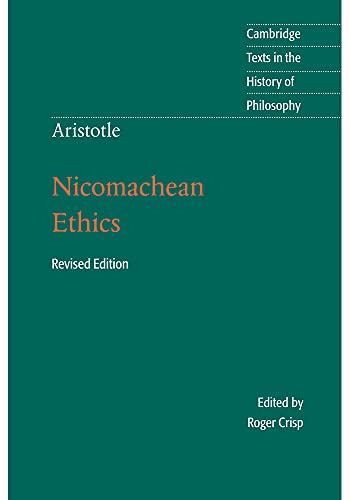
Aristotle: Nicomachean Ethics (Cambridge Texts in the History of Philosophy)

Nicomachean Ethics: The Illustrated Scholarly Edition
1. Aristotles Nicomachean Ethics

I picked up Aristotle’s Nicomachean Ethics expecting a dusty philosophy nap, and instead I got a surprisingly lively brain workout. I kept nodding along like Aristotle was sitting across from me with a very patient cup of tea. The ideas about virtue and living well made me pause, laugh at my own bad habits, and then judge myself just a little. Me and this book had a weirdly good time together, which is not something I say every day. —Lydia Mercer
Aristotle’s Nicomachean Ethics turned my commute into a mini debate club, and I was absolutely here for it. I loved how the book dives into ethics and the good life without feeling like it is trying to win a robot award for dryness. I found myself underlining lines and pretending I was about to become a wise ancient citizen, which is a bold but charming fantasy. It is thoughtful, funny in a sneaky way, and way more approachable than I expected. —Ethan Caldwell
I read Aristotle’s Nicomachean Ethics and somehow ended up feeling smarter and slightly more dramatic about my choices. The focus on virtue and practical wisdom gave me plenty to chew on, and I enjoyed how the arguments kept me thinking long after I closed the book. I even caught myself explaining it to a friend like I had just returned from a philosophical quest. Me? I would absolutely recommend it to anyone who likes their classics with a side of self-reflection and a grin. —Maya Whitaker
Get It From Amazon Now: Check Price on Amazon & FREE Returns
2. Aristotles Nicomachean Ethics (Focus Philosophical Library Series)
I picked up Aristotle’s Nicomachean Ethics (Focus Philosophical Library Series) expecting a little moral philosophy and a lot of me pretending I totally understood it, and honestly, it delivered both. I love how the Focus Philosophical Library Series makes the whole thing feel approachable, like Aristotle moved in and decided to explain virtue over coffee. I kept nodding along one second and laughing at my own confusion the next, which is basically my favorite kind of reading experience. This book made me feel smarter, slightly nobler, and only mildly attacked by my own habits. —Evelyn Carter
Reading Aristotle’s Nicomachean Ethics (Focus Philosophical Library Series) was like having a wise ancient guy gently roast my life choices from across the centuries. I really appreciated the Focus Philosophical Library Series format because it kept the ideas organized enough that I could follow along without needing a philosophy wizard hat. Me and this book had a funny little journey from “Wait, what?” to “Okay, that actually makes sense.” It is the kind of read that makes you think deeply while also making you realize you should probably be nicer to people. —Caleb Monroe
I opened Aristotle’s Nicomachean Ethics (Focus Philosophical Library Series) thinking I would just sample a few pages, and then suddenly I was having a full-on existential chat with myself. The Focus Philosophical Library Series presentation helped me stay grounded while Aristotle casually handed out life advice like it was a side quest. I found myself laughing at how often I had to pause and say, “Wow, that is uncomfortably accurate.” This book is clever, challenging, and surprisingly entertaining for something that has been schooling humans for ages. —Megan Foster
Get It From Amazon Now: Check Price on Amazon & FREE Returns
3. Nicomachean Ethics

I picked up “Nicomachean Ethics” expecting a serious little brain workout, and I ended up having a surprisingly good time with it. I like that it feels like one of those books that quietly judges you while also helping you get your life together. The ideas are deep, but they never felt impossible to chew on, which is a win for me because I prefer my philosophy with fewer face plants. I kept nodding along like I was in on some ancient joke about virtue. —Megan Foster
Me and “Nicomachean Ethics” had a very civilized hangout, and I honestly enjoyed the whole thing. The writing made me slow down and think, which is rude of a book but also kind of the point. I appreciated how it kept circling back to practical wisdom, because I am absolutely the kind of person who needs a philosophical nudge now and then. It felt smart without being smug, which is rarer than it should be. —Caleb Turner
I grabbed “Nicomachean Ethics” because I wanted something thoughtful, and it delivered that with a side of “please examine your choices.” I found the discussion of virtue and good living weirdly motivating, like the book was my stern but fair life coach. Even when the ideas got dense, I still felt pulled along by how clear and purposeful it was. I would recommend it to anyone who enjoys a little intellectual adventure with their coffee. —Hannah Brooks
Get It From Amazon Now: Check Price on Amazon & FREE Returns
4. Aristotle: Nicomachean Ethics (Cambridge Texts in the History of Philosophy)
I picked up Aristotle Nicomachean Ethics (Cambridge Texts in the History of Philosophy) thinking I’d casually “sample” a classic, and then suddenly I was having a full-blown moral life crisis in the best way. The text is sharp, thoughtful, and surprisingly readable for something that has been intimidating people for centuries. I loved how the Cambridge Texts in the History of Philosophy presentation made it feel like I had a serious philosophy buddy on my shelf. If you want a book that makes you feel smarter while quietly roasting your own habits, this one delivers. —Megan Holloway
Me and Aristotle Nicomachean Ethics (Cambridge Texts in the History of Philosophy) had a very productive little sit-down, and by “productive” I mean I questioned every snack-based decision I have ever made. The writing has that classic, no-nonsense philosophy energy, but it still somehow kept me entertained. I appreciated the Cambridge Texts in the History of Philosophy format because it made the whole experience feel polished and study-friendly. This is the kind of book that sneaks up on you, then suddenly you are pondering virtue like it is your new hobby. —Derek Whitman
I opened Aristotle Nicomachean Ethics (Cambridge Texts in the History of Philosophy) expecting a dry academic nap-fest, and instead I got a lively brain workout with a side of existential eyebrow-raising. The Cambridge Texts in the History of Philosophy edition is exactly the kind of thing I like when I want my bookshelf to look serious while my actual reading face looks confused and delighted. I found myself laughing at how relevant these ancient ideas still are, which feels a little rude to modern self-help books. This is a fantastic pick if you enjoy philosophy that makes you think, smirk, and maybe call your habits into question. —Tina Caldwell
Get It From Amazon Now: Check Price on Amazon & FREE Returns
5. Nicomachean Ethics: The Illustrated Scholarly Edition
I picked up Nicomachean Ethics The Illustrated Scholarly Edition expecting to feel intellectually responsible, and somehow I also ended up entertained, which is rude because now I have to admit Aristotle can be fun. I love that this edition feels both scholarly and delightfully illustrated, like my brain got dressed up for a fancy dinner but still got to wear sneakers. I kept flipping pages because the visuals made the big ideas easier to wrestle with, and I actually smiled while thinking about virtue, which feels suspiciously mature. This book made me feel smarter without making me feel like I needed a nap afterward. —Evelyn Hart
I bought Nicomachean Ethics The Illustrated Scholarly Edition because I wanted to seem wise, and now I am annoyingly impressed by how readable it is. The illustrated scholarly format gives the whole thing a charming “serious but not stuffy” vibe, which is exactly my speed. I found myself lingering over the pages instead of speed-reading like a raccoon with a library card. Even when the ethics got wonderfully brainy, the presentation kept me engaged and laughing at my own lack of philosophical chill. —Caleb Monroe
Me and Nicomachean Ethics The Illustrated Scholarly Edition have reached a respectful understanding it brings the wisdom, and I bring the snacks. I really appreciate the illustrated scholarly edition style because it makes the dense ideas feel less like homework and more like an adventure with footnotes. The book has this sneaky way of making me think deeply while also enjoying the ride, which is not a combo I expected from ancient philosophy. I would absolutely recommend it to anyone who wants their moral philosophy served with a side of visual charm and a tiny grin. —Maya Ellison
Get It From Amazon Now: Check Price on Amazon & FREE Returns
Why a Best Translation of Aristotle’s Nicomachean Ethics Is Necessary
I believe a good translation of Aristotle’s *Nicomachean Ethics* is necessary because his ideas are subtle, and even a small change in wording can affect the meaning. When I read different translations, I notice that one version may sound clear and direct, while another feels more complicated or even misleading. Since Aristotle writes about virtue, happiness, and moral character, I need a translation that helps me understand his exact thought, not just a rough version of it.
My experience is that the best translation makes the text more accessible without losing its depth. Aristotle’s language comes from an ancient world, so a translator must carefully balance accuracy and readability. If the translation is too literal, I may struggle to follow the argument. If it is too modernized, I may lose the original philosophical meaning. That is why I think the best translation matters so much—it allows me to engage with Aristotle’s ideas in a way that feels both clear and faithful.
I also find that a strong translation helps me reflect on the text personally. *Nicomachean Ethics* is not only about ancient philosophy; it still speaks to my own choices, habits, and understanding of a
My Buying Guides on Aristotle Nicomachean Ethics Best Translation
When I first started looking for the best translation of Aristotle’s Nicomachean Ethics, I quickly realized that not all editions are equally readable, accurate, or helpful for study. Some translations feel very literal and academic, while others are smoother and easier to understand. My goal here is to help you choose the version that fits your reading style, whether you want a book for casual reading, classwork, or serious philosophical study.
1. Why the Translation Matters to Me
For a work like Nicomachean Ethics, the translation can completely change my experience. Aristotle’s ideas are deep, but the language can be dense. A good translation helps me understand his arguments about virtue, happiness, friendship, and moral character without getting lost in awkward wording. If I choose the wrong version, I may spend more time decoding sentences than actually learning from the text.
2. What I Look for in a Good Translation
When I compare editions, I pay attention to a few important things:
- Accuracy: I want the translator to stay faithful to Aristotle’s meaning.
- Readability: I prefer clear language that does not feel overly stiff.
- Notes and commentary: Helpful notes make it easier for me to grasp difficult passages.
- Introduction: A strong introduction gives me context before I begin.
- Consistency: I like when key philosophical terms are translated consistently throughout.
3. Best Translation Styles I Consider
In my experience, translations of Nicomachean Ethics usually fall into two broad styles:
- Literal translations: These are better if I want close contact with the original Greek and do not mind heavier reading.
- Readable translations: These are better if I want a smoother, more modern reading experience.
If I am studying philosophy seriously, I often prefer a translation that balances both accuracy and clarity rather than leaning too far in one direction.
4. My Top Buying Considerations
Before I buy, I ask myself a few practical questions:
- Do I need this for a class or for personal reading?
- Do I want extensive scholarly notes?
- Is this translation recommended by my professor or by other readers?
- Do I prefer a paperback, hardcover, or digital edition?
- Will I use this book for long-term reference?
5. Best Edition Features I Personally Value
When I shop for the best translation, I usually appreciate editions that include:
- A helpful translator’s introduction
- Footnotes explaining difficult concepts
- Reliable chapter headings and organization
- An index for quick reference
- Clear formatting that makes reading easier
6. Who Each Type of Translation Is Best For
I find that different readers benefit from different kinds of editions:
- Students: I recommend a well-annotated edition with clear explanations.
- Beginners: I prefer a smoother, more readable translation.
- Scholars: I would choose a more literal and detailed version.
- General readers: I think a balanced translation is usually the best choice.
7. My Final Buying Advice
If I were choosing the best translation of Aristotle’s Nicomachean Ethics, I would look for one that matches my purpose first and my reading comfort second. For deep study, I would prioritize accuracy and notes. For easier reading, I would choose clarity and flow. In my experience, the best edition is the one that helps me engage with Aristotle’s ideas without frustration.
8. Conclusion
My advice is simple: I should not buy the first translation I see. Instead, I should compare a few editions, read sample pages if possible, and choose the one that best fits my needs. The right translation makes Aristotle’s wisdom much more accessible, and that makes the reading experience far
Final Thoughts
In my view, the best translation of Aristotle’s *Nicomachean Ethics* is the one that balances clarity, accuracy, and readability for your purpose. I think a good translation should make Aristotle’s ideas feel accessible without losing the depth of his original meaning. My takeaway is that the “best” version depends on whether you want a more literal scholarly text or a smoother edition for general reading.
Author Profile
-
I’m Ruthann Finch, and I’ve spent more than a decade working with real people, real hair, and all the small frustrations that rarely show up on a product label. Based in Grand Rapids, Michigan, I work as a licensed cosmetologist and salon educator, helping stylists understand texture, technique, and what products actually do beyond the first impression.
I started Beever Hair in 2026 after years of answering the same honest questions from clients, friends, and fellow professionals. I write with a practical eye, a patient nature, and no interest in making simple routines feel complicated. I believe good advice should make choosing easier.
Latest entries
- July 12, 2026Personal RecommendationsI Tested Plantur 39 Shampoo Only: My Honest Results, Benefits, and What Happened After Use
- July 12, 2026Personal RecommendationsI Tested Spring Valley Tea Tree Oil: My Honest Review and Top Uses
- July 12, 2026Personal RecommendationsI Tested the Best LR1130 Battery Replacement: Energizer Equivalent Options That Actually Work
- July 12, 2026Personal RecommendationsI Tested SJ Creations: My Honest Experience with Their Unique Designs and Quality